Sure! Here’s a complete beginner-friendly blog titled “What Is a Digital Twin? A Beginner’s Guide to the Future of Simulation”, including definitions, data, and examples:
Imagine being able to simulate a real-world object—like an engine, a factory, or even a human body—in a digital environment before making any changes to the physical version. That’s exactly what Digital Twin technology enables. Once a concept of science fiction, digital twins are now at the heart of industries like aerospace, healthcare, and manufacturing, revolutionizing the way we design, test, and optimize.
In this beginner’s guide, we’ll explore what a digital twin is, how it works, and how businesses use it to gain a competitive edge—with real data and examples.
🔍 What Is a Digital Twin?
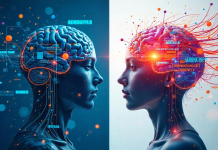
A digital twin is a virtual replica of a physical object, system, or process. It uses real-time data and simulation models to replicate the behavior, performance, and condition of its physical counterpart.
According to Gartner, 75% of organizations implementing IoT already use or plan to use digital twins.
Unlike static 3D models, digital twins are dynamic—they constantly update based on sensor data and real-world feedback.
⚙️ How Does a Digital Twin Work?
Here’s how the digital twin cycle typically operates:
- Data Collection: Sensors attached to the physical object collect real-time data (e.g., temperature, pressure, location).
- Digital Model: This data is fed into a digital model that mimics the object’s behavior.
- Simulation and Analysis: Engineers use the digital twin to simulate different scenarios and make predictions.
- Feedback Loop: Insights from the digital model are used to optimize or maintain the physical version.
📊 Real-World Examples and Case Studies
🚀 Aerospace: NASA’s Use of Digital Twins
NASA first coined the term “digital twin” during their Apollo missions to simulate spacecraft conditions from Earth. Today, they use it to monitor systems on the Orion spacecraft, helping predict issues before they happen.
🏭 Manufacturing: Siemens
Siemens uses digital twins to simulate production lines before they’re built. For example, their Amberg electronics plant uses a digital twin to reduce production downtime and defects—boosting efficiency by 20-30%.
🏥 Healthcare: GE Healthcare
Digital twins of human organs, like hearts or lungs, allow for personalized simulations. GE Healthcare’s models help doctors test the effect of treatments virtually before applying them to patients.
🏙️ Smart Cities: Singapore
Singapore created a “Virtual Singapore”—a 3D digital twin of the entire city. It’s used to plan infrastructure, manage traffic, and simulate the effects of climate change or new construction.
📈 Why Digital Twins Matter: Benefits
| Benefit | Description |
|---|---|
| 🔄 Real-time Monitoring | Provides live insights into asset performance |
| 🔧 Predictive Maintenance | Prevents failures before they occur |
| 💰 Cost Reduction | Reduces downtime and avoids unnecessary maintenance |
| 🧠 Better Decision-Making | Simulations provide risk-free testing |
| 🌍 Sustainability | Helps reduce energy usage and waste |
📉 Challenges and Considerations
While powerful, digital twins do come with some challenges:
- Data Security: With constant data exchange, ensuring cybersecurity is crucial.
- Integration Complexity: Combining physical and digital systems requires advanced IT infrastructure.
- High Initial Costs: Investment in sensors, platforms, and data models can be expensive.
📊 Industry Adoption Trends
- Manufacturing is expected to dominate the market, followed by healthcare and automotive.
- According to MarketsandMarkets, the global digital twin market is expected to grow from $10.1 billion in 2023 to $110.1 billion by 2028—a CAGR of over 61%.
🧠 The Future of Digital Twins
With the rise of AI and 5G, digital twins will become more intelligent and real-time. Combined with IoT and machine learning, they’ll evolve from passive models to active decision-makers.
✅ Final Thoughts
A digital twin is much more than a 3D simulation—it’s a living model that changes the way we design, maintain, and optimize the real world. Whether it’s reducing equipment failure in factories or planning the next space mission, digital twins are shaping the future of simulation and innovation.
📌 Key Takeaways:
- A digital twin is a real-time digital replica of a physical object or system.
- Used in industries like aerospace, healthcare, smart cities, and manufacturing.
- Major benefits include predictive maintenance, cost reduction, and enhanced decision-making.
- The technology is projected to reach $110.1 billion by 2028.