The Internet of Things (IoT) refers to the interconnected network of everyday objects embedded with sensors, software, and connectivity, enabling them to collect and exchange data. This vast ecosystem encompasses various devices, ranging from smart home appliances and wearable gadgets to industrial machinery and urban infrastructure. By seamlessly integrating physical and digital realms, IoT enhances efficiency, automation, and decision-making processes. It empowers users to remotely monitor and control devices, fostering a more interconnected and intelligent world. As IoT continues to evolve, its applications span across industries, including healthcare, agriculture, transportation, and beyond, ushering in a new era of innovation and connectivity that transforms how we interact with the world.
What is Internet of things?
The Internet of Things (IoT) refers to the interconnected network of physical devices, vehicles, appliances, and other objects embedded with sensors, software, and network connectivity, enabling them to collect and exchange data. This seamless communication between devices allows them to interact and make intelligent decisions without direct human intervention. IoT has diverse applications across various industries, such as smart homes, healthcare, agriculture, transportation, and industrial automation. The integration of IoT enhances efficiency, automation, and convenience by enabling real-time monitoring, control, and data analysis. As IoT technology continues to advance, it holds the potential to revolutionize how we live and work, fostering a more interconnected and data-driven world. However, concerns about privacy, security, and standardization remain important considerations in the widespread adoption of IoT solutions.
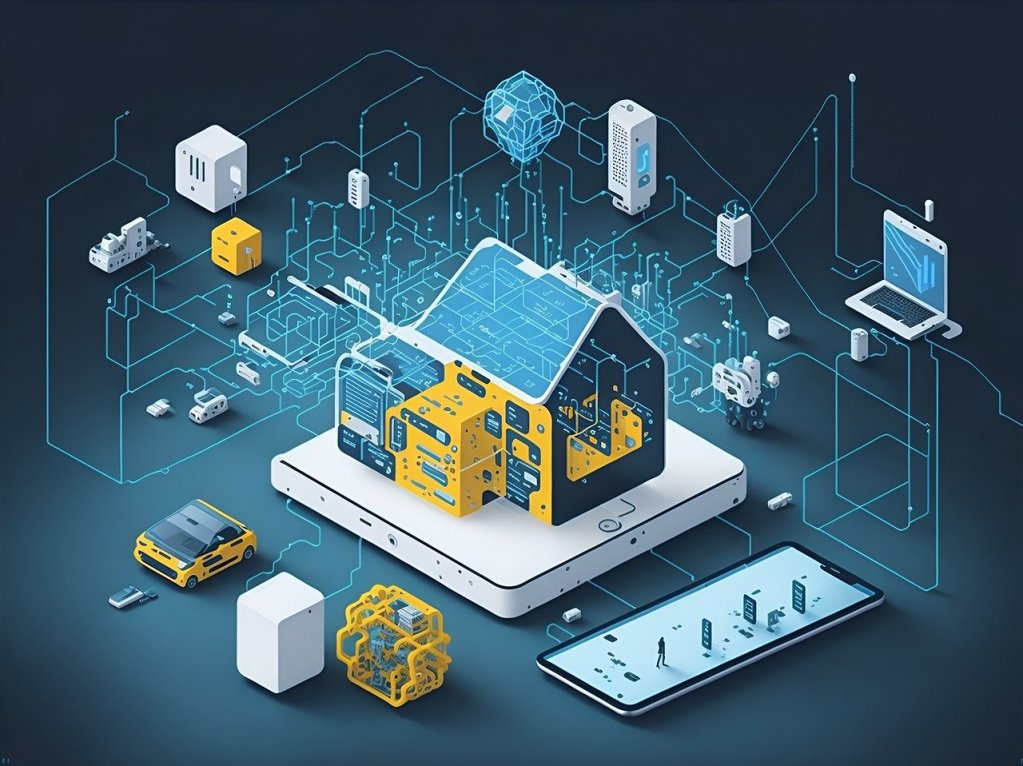
History of Internet of things :
The history of the Internet of Things (IoT) dates back to the end of the 20th century, with the evolution of technology and the convergence of several fields. Here is a brief timeline of key events in the history of IoT:
- 1982: The coke machine at Carnegie Mellon University:
The concept of connected devices dates back to a modified Coca-Cola vending machine at Carnegie Mellon University. The machine was equipped with sensors that could report the inventory and temperature of the drinks. - 1990: The term “Internet of Things” is coined:
The phrase “Internet of Things” is believed to have been coined by Kevin Ashton, a British technology pioneer, in 1999 while working at Procter & Gamble. He used the term to describe a system where physical objects are connected to the Internet and can collect and share data. - 1999: Automatic Identification Center at MIT:
Kevin Ashton and his team at MIT established the Auto-ID Center to explore and develop the use of RFID (radio frequency identification) and other sensor technologies to track objects in the physical world. - 2000s: RFID and sensor technologies:
RFID and other sensor technologies gained prominence in the early 2000s, enabling real-time identification and tracking of objects. This laid the foundation for the development of IoT. - 2008: The rise of smartphones:
The widespread adoption of smartphones with built-in sensors and connectivity contributed significantly to the growth of IoT. These devices could collect and share data, creating new possibilities for connected applications. - 2010s: Expansion and standardization:
The 2010s saw rapid expansion of IoT applications in various industries, including healthcare, agriculture, transportation, and smart cities. Standardization efforts, such as the development of communication protocols such as MQTT and CoAP, played a crucial role in enabling interoperability between devices. - 2013: Google Acquisition of Nest Labs:
Google’s acquisition of Nest Labs, a company focused on smart home products like thermostats and smoke detectors, marked a significant moment in the IoT industry. He noted the growing interest of major technology companies in the smart home and IoT space. - 2015: Industry 4.0 and IoT in manufacturing:
The concept of Industry 4.0 emerged, emphasizing the integration of IoT technologies in manufacturing processes. IoT played a key role in creating smart factories with interconnected machines and systems. - 2016: Mirai botnet attack:
The Mirai botnet attack highlighted the security challenges associated with IoT devices. In this attack, insecure IoT devices were compromised and used to launch large-scale distributed denial of service (DDoS) attacks. - 2020s: continued growth and challenges:
The 2020s witnessed continued growth in IoT adoption across industries. However, concerns about privacy, security, and standardization continued to be challenges faced by the industry.
The story of IoT is an ongoing story as the technology continues to evolve and new applications and innovations emerge. As of my last knowledge update in January 2022, further developments in the IoT space should be explored through more recent sources.
Types of Internet of things :
The Internet of Things (IoT) is a vast and diverse field that encompasses a wide range of devices and applications. IoT devices are typically connected to the Internet to collect and exchange data, allowing them to perform various tasks and provide valuable information. Below are some common types of IoT based on their applications:
- Consumer IoT:
- Smart Home Devices: Includes smart thermostats, smart lights, smart locks and other home automation systems.
- Wearable devices: Such as fitness trackers, smart watches and health tracking devices.
- Smart appliances: Refrigerators, washing machines and other appliances with internet connectivity.
- Industrial IoT (IIoT):
- Smart Manufacturing: IoT is used in manufacturing processes to monitor and optimize production lines.
- Predictive Maintenance: Sensors collect data to predict when equipment needs maintenance, reducing downtime.
- Supply Chain Management: IoT helps track and manage the movement of goods along the supply chain.
- Healthcare IoT:
- Remote Patient Monitoring: Devices that monitor patient health parameters remotely.
- IoT-enabled medical equipment: Smart devices such as insulin pumps, pacemakers, and connected health monitors.
- Hospital Asset Tracking: RFID and IoT to track medical equipment and assets in healthcare facilities.
- Smart cities:
- Smart Grids: Intelligent management of energy distribution and consumption.
- Traffic Management: IoT sensors to monitor and optimize traffic flow.
- Waste management: Smart containers and sensors for efficient waste collection.
- Agricultural IoT (AgriTech):
- Precision Agriculture: IoT devices to monitor and optimize agricultural practices.
- Livestock Monitoring: Wearables and sensors to track livestock health and behavior.
- Smart Irrigation: Automated and efficient irrigation systems.
- Connected cars:
- Telematics: IoT in vehicles for tracking and monitoring performance.
- In-vehicle infotainment: Entertainment and connectivity functions in cars.
- Vehicle-to-everything (V2X) communication: Vehicles that communicate with each other and with infrastructure to improve safety and efficiency.
- Retail IoT:
- Smart Vending Machines: IoT-enabled machines for inventory management and customer interaction.
- RFID Technology: Inventory tracking and management in retail stores.
- Customer Analytics: Using IoT to collect data on customer behavior for better retail experiences.
- Environmental Monitoring:
- Air Quality Monitoring: Sensors to measure contaminants in the air.
- Water quality monitoring: IoT devices to monitor water quality in rivers, lakes and reservoirs.
- Weather monitoring: Sensors to collect weather data in real time.
- Smart energy:
- Smart Meters: IoT enabled meters to monitor and manage energy consumption.
- Network Management: Efficient management of electrical distribution through IoT.
- Renewable Energy Monitoring: Monitoring and optimization of the performance of renewable energy sources.
These are just a few examples, and the IoT landscape continually evolves with new applications and use cases emerging regularly. The common thread among these applications is the use of Internet-connected devices to collect, transmit and analyze data to improve efficiency, convenience and decision making.
Applications and Benefits of Internet of things :
The Internet of Things (IoT) refers to the network of interconnected physical devices that communicate and exchange data with each other over the Internet. IoT has a wide range of applications in various industries and its adoption continues to grow rapidly. Below are some key applications and benefits of IoT:
Applications:
- Smart homes:
- IoT enables the integration of smart devices such as thermostats, lights, security cameras and home appliances, allowing homeowners to control and monitor them remotely.
- Health care:
- IoT devices are used for remote patient monitoring, medication compliance tracking, and chronic disease management. Wearable devices like fitness trackers also fall into this category.
- Industrial Internet (IIoT):
- IoT is widely used in industries for predictive maintenance, real-time equipment monitoring, supply chain optimization, and process automation.
- Smart cities:
- IoT is applied in urban planning to improve infrastructure, manage traffic flow, reduce energy consumption and improve public services such as waste management and emergency response systems.
- Agriculture:
- IoT helps farmers in precision agriculture by providing real-time data on soil conditions, weather patterns, and crop health. This leads to better crop yields and resource efficiency.
- Retail:
- Retailers use IoT for inventory management, supply chain optimization, and improving the customer shopping experience through technologies such as RFID and smart shelves.
- Transportation:
- IoT is used to track and manage vehicles, optimize routes, monitor fuel consumption and improve overall logistics and fleet management.
- Power Management:
- IoT contributes to the efficient use of energy by monitoring and controlling devices and systems in homes, buildings and industrial environments.
- Environmental Monitoring:
- IoT devices are used to monitor environmental parameters such as air and water quality, helping in the early detection of pollution and natural disasters.
- Wearable technology:
- Fitness trackers, smartwatches, and other wearable devices leverage IoT to collect and transmit data related to health, exercise, and wellness.
Benefits:
- Efficiency:
- IoT optimizes processes, reduces waste and improves overall efficiency in various industries.
- Cost Savings:
- Predictive maintenance and real-time monitoring provided by IoT help organizations save on maintenance costs and avoid costly downtime.
- Better decision making:
- Access to real-time data from IoT devices enables better decision making by providing information on various aspects of operations.
- Improved customer experience:
- In sectors such as retail and hospitality, IoT contributes to a personalized and seamless customer experience.
- Safety and protection:
- IoT improves security through technologies such as smart surveillance and improves security by enabling real-time monitoring and alerts.
- Sustainability:
- IoT helps optimize resources, reduce energy consumption and promote sustainable practices in various sectors.
- Health and Wellness:
- In the healthcare sector, IoT devices contribute to better patient outcomes through remote monitoring and early detection of health problems.
- Innovation and new business models:
- IoT fosters innovation by creating new possibilities for products and services and often leads to the development of new business models.
- Data-driven insights:
- Data generated by IoT devices provides valuable information that can be analyzed to make informed decisions and identify trends.
- Remote Accessibility:
- IoT allows users to remotely access and control devices, systems and data, providing flexibility and convenience.
While IoT offers numerous benefits, it is important to address concerns related to privacy, security, and standardization to ensure its responsible and widespread adoption.
Advantages and Disadvantages of Internet of things :
The Internet of Things (IoT) refers to the network of interconnected devices and objects that can communicate and exchange data with each other over the Internet. While IoT offers numerous advantages, it also presents certain challenges and disadvantages. Here are some of the key advantages and disadvantages of the Internet of Things:
Advantages:
- Automation and Efficiency:
- Advantage: IoT enables the automation of various tasks, leading to greater efficiency and productivity. Devices can communicate and perform tasks without human intervention.
- Data collection and analysis:
- Advantage: IoT devices generate large amounts of data, which can be analyzed to obtain valuable information. This data-driven approach can help businesses make informed decisions.
- Improved comfort:
- Advantage: IoT improves convenience by allowing remote monitoring and control of devices. Users can manage their smart homes, vehicles, and other connected devices from anywhere with an Internet connection.
- Cost Savings:
- Advantage: Automation, predictive maintenance and efficient resource utilization can generate cost savings for companies and individuals.
- Enhanced Security and Protection:
- Advantage: IoT can help improve safety through applications such as smart surveillance, health monitoring devices, and connected vehicles with safety features.
- Innovation and new opportunities:
- Advantage: IoT encourages innovation by creating new possibilities for applications and services. It opens opportunities for companies to develop new products and services.
Disadvantages:
- Security Concerns:
- Disadvantage: Security is a major concern in IoT, as interconnected devices can be vulnerable to cyberattacks. Breaches can lead to unauthorized access, data theft, and privacy violations.
- Privacy issues:
- Disadvantage: The large amount of data collected by IoT devices raises privacy concerns. Users may feel uncomfortable with the idea of their personal information being collected and shared.
- Interoperability challenges:
- Disadvantage: Ensuring compatibility and interoperability between various IoT devices and platforms can be challenging. Lack of standardization can hinder smooth communication.
- Complexity and Integration:
- Disadvantage: Implementation and integration of IoT solutions can be complex, especially for companies with existing infrastructure. This complexity can pose challenges during the adoption phase.
- Reliability and stability:
- Disadvantage: IoT devices depend on a stable Internet connection. Network outages or interruptions can affect the reliability of connected devices and services.
- Possible job displacement:
- Disadvantage: IoT-driven automation may lead to job displacement in certain industries as tasks become automated, which could impact employment opportunities.
It is important to note that as technology advances, efforts are being made to address these challenges and improve the overall functionality and security of IoT systems. Organizations and individuals should consider these factors when implementing and using IoT technologies.